



A Simple and Fun Way to Learn How FM Radio Works
Unlock the power of invisible signals, mastering the technical architecture behind 5G, satellite links, and global telecommunications infrastructure.
What Is FM Radio?
FM stands for Frequency Modulation.
That may sound like a big word, but here’s an easy way to think about it.
When someone turns on their radio and tunes to the right station, they can hear your voice.
Imagine you are jumping on a trampoline. If you jump faster or slower, the speed changes. In FM radio, instead of changing the size of the wave (like AM does), we change how fast the wave moves up and down. That change carries your voice or music.
So, FM radio sends sound by changing the frequency of a radio wave.

How Does FM Radio Work?
FM radio works in three simple steps:
1. Sound Is Captured
2. Signal Is Changed
3. Signal Is Received
Why Choose FM for Beginners?
FM radio is great for beginners because:
- It has clearer sound than AM
- It is less affected by static noise
- It is widely used for music
- It is easy to tune
FM signals are commonly found between 88 MHz and 108 MHz on your radio dial.
When you turn the knob and see numbers like 99.5 or 101.3, those are FM frequencies.

Basic Parts of an FM Radio Setup
If you want hands-on learning, here are the basic parts you will need:
1. Microphone
Captures your voice.
2. FM Transmitter
Changes your sound into a radio signal.
3. Antenna
Sends the signal into the air.
4. FM Receiver
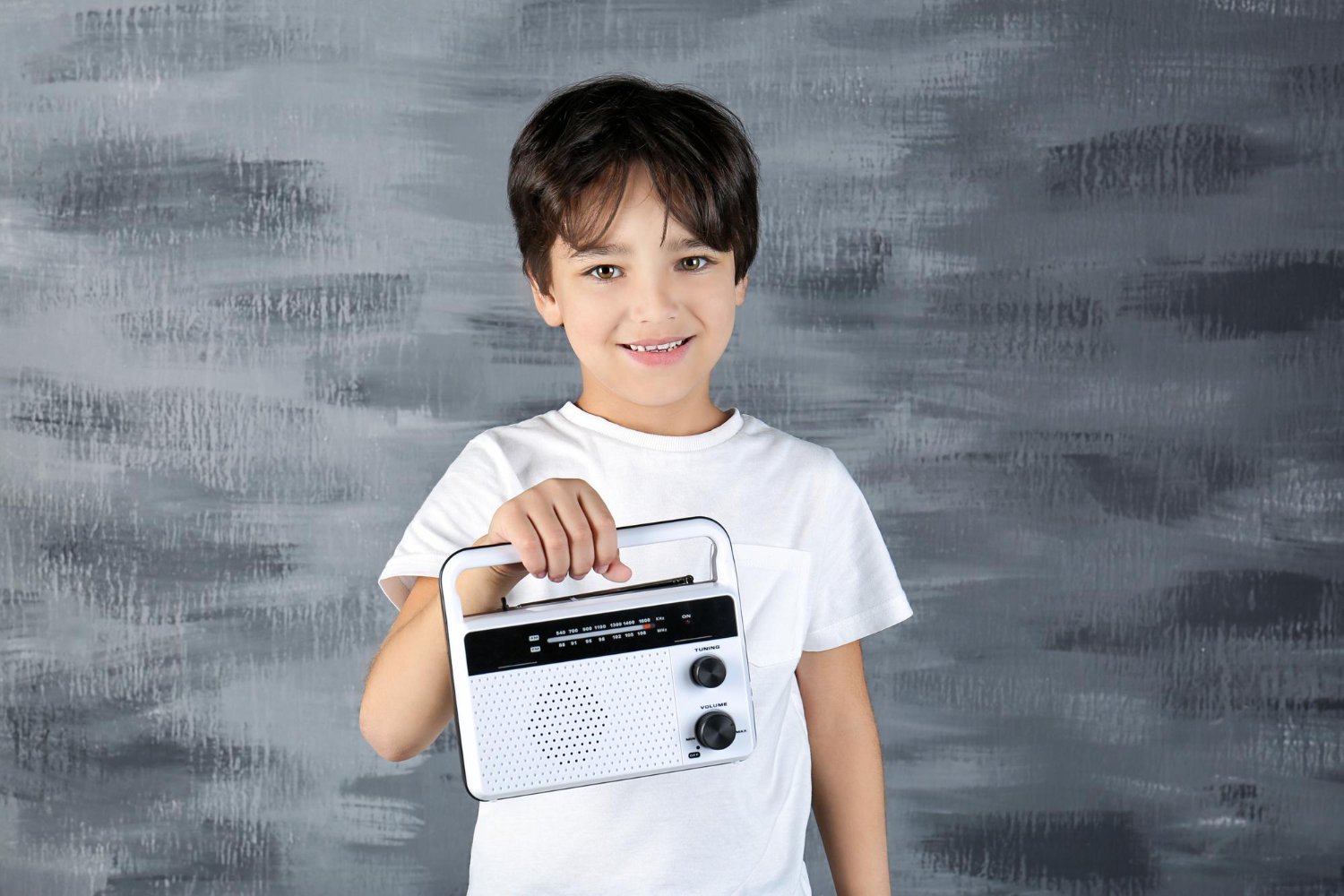
This is your radio that receives the signal.
5. Power Supply
Provides electricity to your equipment.
Beginner kits are available that allow you to safely build a simple FM receiver or transmitter.
For beginners, simple AM radio kits are available. These are safe and easy to assemble.
Hands-On Activities for Beginners
Learning by doing makes everything clearer. Here are some simple hands-on ideas:
Build a Simple FM Radio Kit
Many educational kits allow beginners to assemble their own small FM radio. This helps you understand circuits and components.
Tune and Compare Stations
Turn the dial slowly and listen to different stations. Notice how clear FM sound is compared to AM.
Test Antenna Position
Move the antenna around and see how signal strength changes. This teaches you about signal reception
Create a Mini Broadcast
With a small legal AM transmitter, you can send short messages within a limited range. Always check local laws before broadcasting.
Create a Small FM Broadcast
Low-power FM transmitters can send music or voice across a short distance. Always follow Australian communication laws before transmitting.
At Alano Power Daycare, practical learning helps build curiosity and confidence. Hands-on activities make technology less scary and more exciting.
Safety and Legal Rules
Before working with FM equipment, remember:
- Use certified beginner kits
- Do not open powered devices
- Follow Australian broadcasting rules
- Never interfere with licensed stations
Listening to FM radio does not require a licence. Broadcasting at higher power levels may need permission.
Safety always comes first.

Benefits of FM Radio
FM radio offers several advantages that make it a popular choice worldwide.
Clear Sound
FM provides high-quality and clear audio, perfect for music and entertainment.
Less Noise
It is less affected by electrical interference, ensuring smooth listening.
Popular Choice
Most music stations prefer FM due to its superior sound quality.
Easy to Use
Simple tuning and stable reception make FM radios user-friendly.
Because of these benefits, FM radio is widely used for entertainment and local broadcasting.
Challenges of FM Radio
FM is excellent, but it has a few limits:
Shorter Range
FM signals do not travel as far as AM signals.
Blocked by Obstacles
Mountains and tall buildings can affect reception.
Needs Good Antenna
Proper antenna placement improves performance.
Even with these challenges, FM remains one of the most popular radio systems in Australia.
How FM Radio Helps Learning
- Basic electronics knowledge
- Signal transmission concepts
- Problem-solving
- Technical thinking
Frequently Asked Questions (FAQs)
Final Thoughts
FM hands-on radio is a simple and enjoyable way to learn about communication technology. By building small kits, tuning stations and understanding how frequency works, beginners gain practical knowledge.
Radio may seem invisible, but once you understand how it works, it becomes exciting and easy to grasp. With the right guidance and safe practice, anyone can start learning about FM radio and how sound travels through the air.